Whether you just picked up a pencil or you have been sketching for years, flowers are one of the best subjects to draw. They come in so many shapes, sizes, and styles that you never run out of ideas. This guide brings you more than flower drawing concepts that work for beginners, intermediate artists, and anyone who wants to try something new. Let’s dive in.
Why Flowers Are the Perfect Subject for Any Artist
Flowers are everywhere in nature, which makes them easy to study. You can look at a real rose, a photo of a sunflower, or even a doodle in the margin of your notebook. Each one tells its own story through its petals, leaves, and curves.A good flower drawing does not have to be perfect. It just has to feel alive. That is the beauty of flowers as a drawing subject. They forgive small mistakes and reward creative choices.
Getting Started With Your First Flower Drawing
Before you jump into complex designs, start simple. Draw a circle for the center and add five rounded petals around it. That single shape is the foundation of hundreds of flower drawing styles.Once you feel comfortable with the basic form, try adding details like veins on the leaves or texture on the petals. Small touches make a big difference. Grab any pencil and a blank sheet of paper, and you are already halfway there.
Easy Flower Drawing Ideas for Beginners
Simple Five-Petal Flowers
The classic five-petal flower is where most artists start. Draw a small circle, then add oval or rounded petals around it. You can keep it plain or shade each petal to add depth.Try drawing this flower in a row across your page. Change the size of each one slightly. This gives your page a natural, garden-like feel.
Daisy-Style Drawings
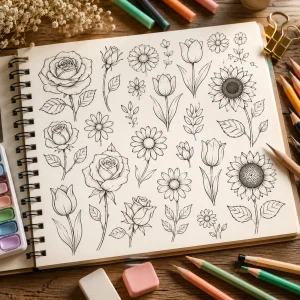
Daisies have long, thin petals that spread out from a round center. They are easy to draw and look great in bunches. Use a light pencil first, then trace over with a pen or darker pencil.You can fill the center with tiny dots to add texture. This trick makes your flower drawing look more detailed without much extra effort.
Tulip Outlines
Tulips have a clean, cup-like shape that is great for beginners. Draw a U shape, then curve the top edges outward. Add a straight stem and two long, pointed leaves on the sides.Tulips look beautiful in groups. Try drawing three tulips of different heights to create a simple bouquet scene.
Sunflower Sketches
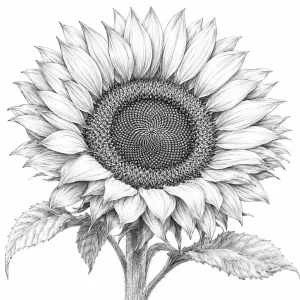
Sunflowers have large, bold petals and a wide, textured center. Start with a big circle for the face, then add long petals in two layers around it. Fill the center with small spiraling dots.Sunflowers work well in both pencil sketches and colorful drawings. They are one of the most satisfying flower drawing subjects for beginners.
Small Wildflower Clusters
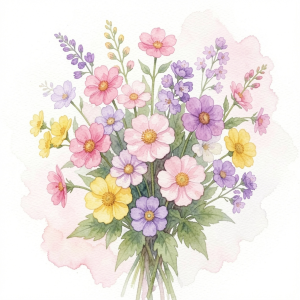
Wildflowers look random and free, which makes them easy and fun to draw. Draw small simple blooms of different shapes and scatter them across your page. Mix circles, stars, and bell shapes.Add a few leaves and some loose stems. This style of flower drawing looks great as a border or background design.
Cute Flower Drawing Ideas to Try Today
Kawaii Flowers With Faces
Kawaii style comes from Japanese art and features adorable, simple characters. Draw a round flower with a tiny face in the center. Add dot eyes, a small smile, and maybe rosy cheeks.This style of flower drawing is very popular with younger artists and journalers. It adds a playful, cheerful touch to any sketchbook page.
Flowers With Raindrops
Add a few teardrop shapes on the petals of any flower to suggest morning dew or rain. This tiny detail makes your drawing look sweet and fresh. It works especially well on roses and daisies.Use a light shading technique inside each drop to show the curve of the water. This small trick adds a lot of character to your flower drawing.
Heart-Petal Flowers
Replace the usual round or oval petals with heart shapes. Draw a center dot and surround it with small hearts pointing outward. This makes a charming, love-themed flower design.Heart-petal flowers look great on greeting cards, gift wrapping, or journal covers. They are quick to draw and always get a smile.
Flower Bouquets Tied With a Ribbon
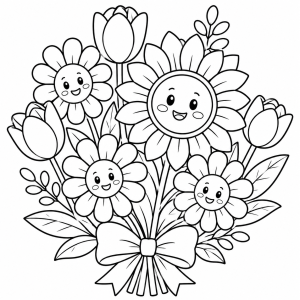
Draw three to five simple flowers together and add a stem. Then wrap a ribbon or bow around the lower stems to tie them together. This turns individual flowers into a full, cute composition.This type of flower drawing works well as a card design or a small illustration on notes and letters.
Doodle Flowers in Margins
Margin doodles are small, quick drawings you add around the edges of notes or pages. Draw tiny flowers between lines of text or in the corners of a notebook. They do not need to be perfect at all.These little drawings make pages look lively and creative. Over time, you will naturally improve your flower drawing skills just by doodling.
Realistic Flower Drawing Ideas for More Advanced Artists
Rose With Full Shading
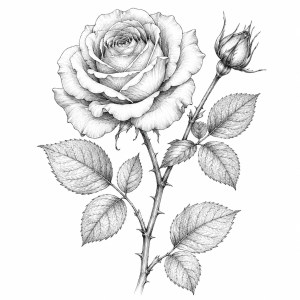
A realistic rose takes patience but the result is stunning. Start with a tight spiral in the center, then build outward with curved petal layers. Each petal should overlap slightly.Use a soft pencil to add gradual shading. Darker tones go where petals curve inward, and lighter tones stay on the outer edges. A well-shaded rose flower drawing looks almost three-dimensional.
Lotus Flower in Detail
The lotus grows in water and has a very symmetrical shape, which makes it a great subject for detailed drawing. Start from the center and work outward, adding pointed petals in layered rows.Add light lines along each petal to suggest texture. A realistic lotus flower drawing benefits from careful attention to the symmetry of each layer.
Orchid With Delicate Petals
Orchids have an irregular shape that makes them look elegant and complex. Study a reference photo before you start. Notice how the petals fan out and the lip petal has a unique, ruffled edge.Use fine lines to capture the delicate detail of an orchid. This type of flower drawing takes practice, but the end result looks impressive.
Peony in Full Bloom
Peonies are lush, full flowers with dozens of soft petals layered together. Draw the outer petals first as large, rounded shapes. Then add smaller and more ruffled petals toward the center.Shading is key for a realistic peony. Use cross-hatching or blending to show how the petals fold and overlap. This flower drawing style rewards time and attention.
Cherry Blossom Branch
Cherry blossoms grow on bare branches in delicate clusters. Draw a curved branch first, then add small five-petal flowers at the tips and joints. Some can be open, and others can be buds.Add a few falling petals around the branch. This flower drawing creates a beautiful, seasonal scene that works in pencil or watercolor.
Themed and Creative Flower Drawing Concepts
Geometric Flower Designs
Combine flowers with geometric shapes for a modern look. Draw a hexagon or diamond, then fill it with a flower pattern inside. The contrast between the sharp edges and soft petals is very pleasing.You can use a ruler for the geometric parts and freehand for the petals. This style of flower drawing fits well in adult coloring books or design projects.
Flowers Made of Patterns
Instead of shading your flower with plain tones, fill each petal with a different pattern. Use stripes in one petal, dots in another, and zigzags in a third. This creates a fun, folk-art style.This approach makes flower drawing feel more like design work. It is a great exercise for anyone who loves illustration or surface pattern design.
Mandala Flower Illustrations
A mandala is a circular, symmetrical design often used in meditation art. Combine flower shapes into a mandala by drawing petals, leaves, and small details in perfectly mirrored rings.This type of flower drawing takes planning but is deeply satisfying to complete. Start from the center and work outward in layers. Use a compass or circular guide if you need help with the symmetry.
Botanical-Style Scientific Illustrations
Botanical illustrations show a flower from multiple angles with labels and fine detail. Draw the full bloom from the front, then add a side view and a cross-section. Use fine lines and light shading.This style of flower drawing is rooted in science and art history. It looks great framed as wall art or printed in a nature journal.
Seasonal Flower Drawing Ideas
Spring Flowers
Spring brings daffodils, tulips, hyacinths, and cherry blossoms. Draw a full garden scene with a mix of these flowers at different heights. Use layering to create depth.Spring flower drawings feel fresh and hopeful. They work well in pastel tones or gentle pencil shading.
Summer Blooms
Summer flowers include sunflowers, zinnias, marigolds, and lavender. These flowers tend to be bold and full of color. A summer flower drawing benefits from strong contrast and confident lines.Try drawing a sunflower field stretching toward the horizon. This creates a dramatic composition with a lot of visual interest.
Autumn Flowers
Dahlias, chrysanthemums, and black-eyed Susans are classic autumn blooms. Their warm colors and dense petals make them wonderful drawing subjects. Focus on layering petals tightly together.An autumn-themed flower drawing looks beautiful in warm tones like amber, rust, and gold. Even in pencil, you can suggest these rich colors through value and shading.
Winter Botanical Drawings
Winter does not have many blooms, but poinsettias, hellebores, and holly berries make great subjects. Draw them against a white background to capture the crisp winter feeling.A winter flower drawing often works best as a minimalist composition with clean lines and subtle shading.
Tips to Improve Your Flower Drawing Skills
Practice from real life whenever you can. Put a flower in a vase and draw what you see. Real flowers teach you things that photos and tutorials cannot.Use references freely. There is no shame in looking at a photo or another drawing. Every artist uses references. The goal is to train your eye, not to memorize shapes from memory.
Experiment with different tools. Try a regular pencil, a fine-liner pen, a brush pen, or even colored pencils. Each tool brings out a different quality in your flower drawing. Some tools reward loose, flowing strokes. Others suit tight, precise detail.
Conclusion
Flowers offer endless possibilities for artists at every level. From the simplest five-petal doodle to a fully shaded botanical illustration, each flower drawing is a chance to practice, explore, and create something beautiful. You do not need special skills or expensive tools to get started. You just need a little curiosity and a willingness to try.
Pick one idea from this list and start today. Draw a daisy in your notebook. Sketch a tulip on a sticky note. Try a kawaii flower with a tiny face. Every small drawing builds your skills and grows your confidence. The best flower drawing you will ever make is the one you have not drawn yet.
Frequently Asked Questions
What is the easiest flower to draw for a complete beginner?
A simple five-petal flower with a circle center is the easiest starting point. It takes less than a minute and helps you get comfortable with basic petal shapes.
How do I make my flower drawing look more realistic?
Focus on shading and layering. Add darker tones where petals overlap or curve inward, and keep lighter values on the outer edges facing the light.
Do I need special pencils for flower drawing?
No special pencils are required. A regular HB pencil works well for sketching, and a 2B or 4B pencil adds darker, softer shading for more realistic results.
Can I learn flower drawing without any art classes?
Absolutely. Many skilled artists are self-taught. Draw from real flowers, use reference photos, and practice regularly. Your skills will grow naturally over time.
How long does it take to get good at drawing flowers?
Progress depends on how often you practice. Even 15 minutes of flower drawing each day will show noticeable improvement within a few weeks.